Address
Liguang Industrial Zone,Liguang Community, Guanlan Street, LonghuaDistrict, Shenzhen, Guangdong, China
Work Hours
Monday to Saturday: 8AM - 6PM ( Beijing Time: GMT+8 )
Sunday : Closed

Address
Liguang Industrial Zone,Liguang Community, Guanlan Street, LonghuaDistrict, Shenzhen, Guangdong, China
Work Hours
Monday to Saturday: 8AM - 6PM ( Beijing Time: GMT+8 )
Sunday : Closed

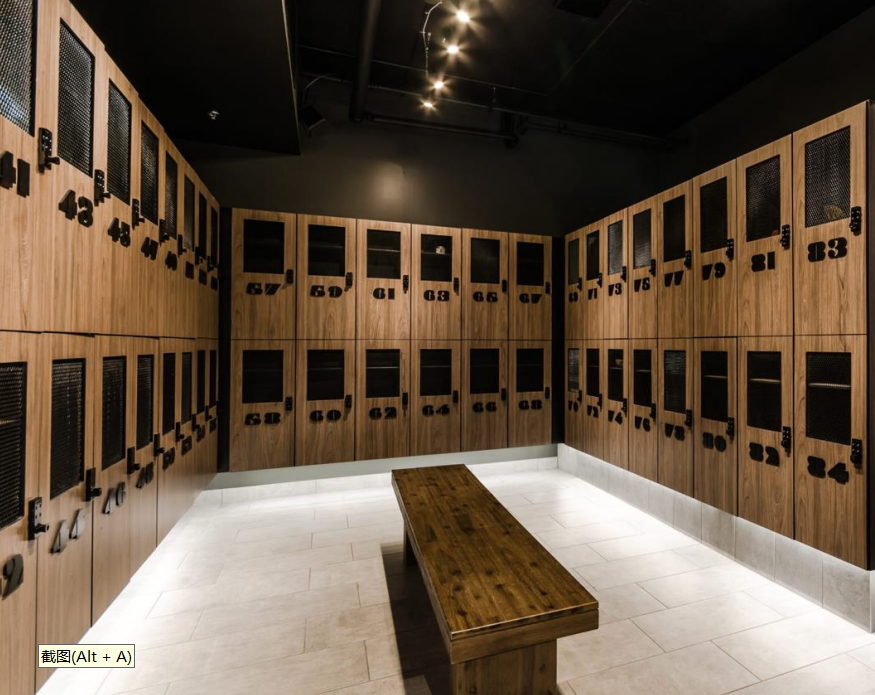
In modern society, “storage” is merely a basic requirement; intelligence is the core direction for locker upgrades in 2026.
Multiple access methods: Traditional padlocks and mechanical keys are gradually being phased out. RFID wristbands/ID badges, temporary PIN codes, QR code scanning, and even Bluetooth-enabled smartphone access have become mainstream features. In gym settings, users can unlock lockers without carrying any additional access devices; in schools, students can access their lockers simply by using their campus ID cards.
Backend management gives lockers “management capabilities”: The new generation of lockers is not merely terminal hardware but also network-connected management nodes.
Schools can track locker usage to prevent long-term occupation;
gyms can monitor locker turnover rates during peak hours to optimize allocation;
administrators can remotely unlock lockers, eliminating the need for on-site resolution of issues such as jammed keys
Biometric authentication is becoming mainstream: Technologies such as fingerprint and facial recognition are being integrated into mid- to high-end lockers. In security-sensitive environments—such as corporate employee locker rooms and school storage areas for valuables—biometric authentication offers a higher level of security than PIN codes.
II. Material Upgrade: HPL Becomes the Top Choice for High-Humidity Environments
The choice of materials is based on a comprehensive evaluation of durability, hygiene, and maintenance costs.
HPL Material: Waterproof, Antibacterial, and Durable: For humid environments such as school gymnasiums, fitness centers, and swimming pools, HPL (High-Pressure Laminate, also known as phenolic laminate or Antibacterial Board) is becoming the preferred choice. Its key advantages include:
Waterproof and Moisture-Resistant: It does not rust like metal lockers, nor does it warp or develop mold due to moisture like wooden cabinets do.
Antimicrobial surfaces: The material itself inhibits bacterial growth, and the smooth surface is easy to clean and disinfect—which is crucial for hygiene management in schools and high-traffic environments like gyms
Impact-Resistant and Vandal-Proof: Scratch-resistant, maintaining its appearance even in high-traffic school environments
Medical-Grade Standards Impact the Commercial Market: Some HPL lockers even meet healthcare facilities’ requirements for “disinfectable surfaces,” and their antimicrobial, waterproof, and easy-to-clean properties are considered significant advantages in fitness and school settings
III. Experience Design: Lockers Are Also Part of the Space
In 2026, locker design will no longer focus solely on the lockers themselves, but rather on the overall experience of the changing and circulation areas.
Upgraded Color Schemes: Different-colored locker groups are used to distinguish zones, helping users quickly locate available lockers—for example, the blue zone is near the showers, and the orange zone is near the entrance, visually reducing the time users spend searching for an empty locker. Psychological research shows that cool tones (blue, green) help create a calm atmosphere, making them suitable for relaxation areas, while warm tones convey a sense of vitality.
Acoustics and Ventilation: Comfort Is in the Details:
Soft-close hinges and rubber buffers reduce noise from opening and closing locker doors, minimizing noise levels in the changing room.
Perforated locker doors or rear ventilation designs, combined with the space’s exhaust system, effectively control moisture and odors inside the lockers.
Lockers are evolving from a passive piece of infrastructure into a functional solution that actively enhances operational efficiency and user experience. If you need lockers in the near future, please feel free to contact us.
