Address
Liguang Industrial Zone,Liguang Community, Guanlan Street, LonghuaDistrict, Shenzhen, Guangdong, China
Work Hours
Monday to Saturday: 8AM - 6PM ( Beijing Time: GMT+8 )
Sunday : Closed

Address
Liguang Industrial Zone,Liguang Community, Guanlan Street, LonghuaDistrict, Shenzhen, Guangdong, China
Work Hours
Monday to Saturday: 8AM - 6PM ( Beijing Time: GMT+8 )
Sunday : Closed

Heavy Duty Gym Lockers provide secure and durable storage for factories, warehouses, laboratories, workshops, and industrial facilities. Made from high-pressure laminate, these HPL lockers are designed to resist moisture, scratches, impact, and heavy daily use while keeping storage areas clean and professional.They are ideal for projects that need heavy-duty use, moisture resistance, impact resistance, and long-term performance. With flexible sizes, tier layouts, colors, ventilation options, and lock systems available, Heavy Duty Gym Lockers can be customized to match the users, space, and design requirements of each facility.
Showing all 2 results


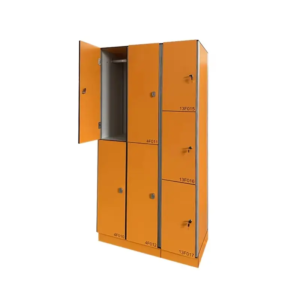
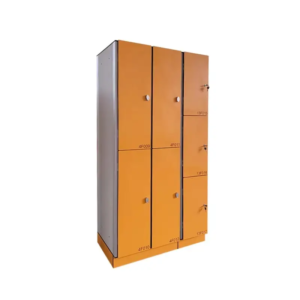
When it comes to outfitting a modern fitness facility, every detail matters, but few things are as important as providing members with reliable, secure, and well-built storage. A heavy-duty gym locker is not just a box on a wall; it is a long-term investment in the comfort, safety, and satisfaction of every person who walks through the facility’s doors. From commercial gyms to sports complexes, the right locker makes all the difference.
A gym locker is a dedicated, lockable storage unit designed to allow gym-goers, athletes, and facility visitors to safely store their personal belongings while they work out or use facility amenities. A heavy-duty version of this unit is specifically engineered to withstand the rigors of constant daily use, elevated humidity, physical impact, and the wear and tear that comes with high-traffic environments.
Unlike a basic locker found in school hallways or low-traffic offices, a heavy-duty gym locker is built with reinforced materials, corrosion-resistant finishes, and robust locking mechanisms. The core purpose is simple: to offer secure storage that holds up day after day, year after year, without requiring constant repairs or replacements.
Standard metal lockers are typically made from lighter gauge steel, such as 18-gauge, which makes them suitable for low-traffic environments. Heavy-duty lockers, on the other hand, are commonly constructed using 16-gauge steel or even 14-gauge steel, offering noticeably greater strength and dent resistance.
Beyond material thickness, the differences extend to hinges, locking mechanisms, surface treatments like powder-coated paint finish, and interior fittings. A standard locker might serve perfectly well in a low-use setting, but in a busy gym locker room, only heavy-duty construction will deliver reliable long-term performance.
Heavy-duty gym lockers are found across a wide range of environments, including commercial gyms, fitness clubs, sports complexes, aquatic centers, stadiums, university athletic departments, and school gym facilities. Anywhere people change, shower, and store valuables on a regular basis benefits from this caliber of locker.
A busy fitness center can see hundreds of members cycling through its locker room every single day. Each locker is opened and closed repeatedly, exposed to moisture from showers and sweat, and subjected to physical contact from bags, shoes, and equipment. Only a genuinely durable locker can handle this kind of punishment without warping, rusting, or breaking down.
Heavy-duty lockers are built precisely with this reality in mind. Their reinforced doors and sides, thicker steel construction, and heavy-duty hinges ensure that even the most heavily used units maintain their structural integrity over time.
Members notice the quality of a facility’s locker room. Clean, sturdy, and well-organized storage lockers contribute directly to how people feel about their gym membership. When a locker door opens and closes smoothly, when the lock engages cleanly, and when the interior is spacious enough to hold a gym bag and personal items comfortably, it adds to the overall positive experience.
Conversely, broken latches, rusted panels, and jammed locker doors create frustration and reflect poorly on facility management. Investing in high-quality lockers from the start prevents these issues entirely.
While heavy-duty gym lockers may carry a higher upfront cost compared to standard options, they deliver significantly better value over time. Their durability means lower maintenance costs, fewer replacements, and less downtime. Facilities that choose quality lockers from trusted suppliers avoid the cycle of repeatedly replacing cheaper units that fail under pressure.
Security is one of the top concerns for any gym member. Lockers that provide secure storage through solid construction, reinforced locker doors, and reliable locking systems give members genuine peace of mind. Durability and security go hand in hand here, as a locker that maintains its structural integrity also maintains its ability to protect valuables effectively.
The foundation of any heavy-duty gym locker is its material. The most common options include high-pressure laminate (HPL), powder-coated steel, and phenolic compact laminate. Each material offers specific advantages, but all are chosen for their ability to withstand moisture, impact, and heavy daily use.
Steel lockers constructed from 16-gauge steel or 14-gauge steel offer outstanding structural strength. Phenolic lockers are known for their exceptional moisture resistance, making them a popular choice for wet environments. HPL provides a balance of durability, aesthetic appeal, and ease of cleaning.
Gym environments are inherently humid. Showers, sweaty clothing, and wet equipment all contribute to a moisture-rich atmosphere that quickly degrades low-quality materials. Heavy-duty lockers are designed with moisture resistance built in, using materials and finishes that do not rust, warp, swell, or deteriorate when exposed to damp conditions.
Impact resistance is equally important. Members routinely push, kick, and knock into lockers while changing. Thicker steel construction and reinforced corners help these units absorb impacts without denting or deforming.
A common and critical feature of quality lockers is proper ventilation. Ventilated gym lockers allow air flow through the locker interior, preventing the buildup of odors, mold, and bacteria that can develop in enclosed, humid spaces.
Ventilation is typically achieved through perforation patterns on the locker door and side panels, or through dedicated vented metal lockers that incorporate louvered openings. This design keeps the interior fresh and contributes to a much more hygienic locker room environment overall.
The locking mechanism is one of the most important features of any gym locker. Modern heavy-duty lockers come with a wide variety of lock options to suit different facility needs and user preferences.
Key locks remain a dependable classic, while combination locks and combination padlocks offer keyless convenience. Digital locks are increasingly popular in upscale fitness centers and allow for PIN-based access without any physical key. RFID-enabled systems integrate with membership cards or wristbands for seamless, touchless entry. Facilities can also opt for a built-in lock directly fitted to the locker door, or accommodate user-supplied padlocks through a hasp and staple system.
Offering combination or key locks, digital locks, or padlock compatibility ensures that every type of user can access secure storage in the way that suits them best.
Scratch and corrosion resistance are non-negotiable in gym environments. A powder coat finish applied to steel lockers creates a tough, smooth surface that resists scratching, chipping, and corrosion. This finish not only protects the locker structurally but also keeps it looking clean and presentable for years.
Phenolic lockers and vented lockers made from polymer materials are naturally corrosion-proof, making them ideal for poolside or spa locker rooms where moisture levels are especially high.
Facility managers appreciate lockers that are easy to clean and require minimal upkeep. Smooth, non-porous surfaces found on powder-coated steel, phenolic, and HPL lockers can be wiped down quickly, resist staining, and do not require special cleaning products. This significantly reduces the labor involved in daily locker room maintenance.
HPL lockers are constructed using multiple layers of resin-impregnated paper compressed under high heat and pressure, resulting in an exceptionally hard and stable panel. These lockers offer a wide variety of finishes and color options, making them popular in facilities that prioritize aesthetics alongside performance.
HPL is highly resistant to moisture, impact, and UV fading. It is a premium choice for fitness centers that want both functional durability and a modern, attractive appearance in their locker room.
Powder-coated steel lockers represent the most widely used option across commercial gym and fitness club environments. The steel substrate provides structural strength, while the powder coat paint finish adds a durable protective layer that resists corrosion, scratches, and general wear.
These lockers are available in a broad range of colors and finish options, allowing facilities to match their locker room decor or brand colors. Steel lockers are also cost-effective compared to premium laminate options, making them a practical choice for large-scale installations.
Phenolic lockers are made from phenolic compact laminate, a dense, solid-core panel known for extreme durability and total moisture resistance. Unlike hollow-core panels, phenolic material does not delaminate, warp, or absorb moisture even in the most humid environments.
These lockers are especially well-suited for pool-side changing areas, steam room locker rooms, and any wet-area fitness facility. Their surfaces are highly resistant to scratching, graffiti, and biological growth, making them a favorite in high-end fitness centers and aquatic facilities.
When comparing these materials, phenolic lockers lead in moisture resistance and longevity in wet environments, while 16-gauge steel or 14-gauge steel lockers offer the best value for standard gym locker room applications. HPL sits comfortably in between, offering premium aesthetics with very strong durability for most facility types.
In terms of maintenance, all three materials are relatively low-effort, but phenolic and HPL surfaces tend to be the easiest to keep spotless, as their non-porous surfaces resist grime better than painted steel over extended periods.
Commercial gym lockers and fitness club lockers are among the most demanding applications for any storage solution. Large chains may need to outfit hundreds or even thousands of locker positions across multiple locations, requiring consistent quality, availability, and ease of installation. Metal gym lockers made from 16-gauge steel are the go-to choice for this segment due to their balance of cost, durability, and availability.
Athletic facilities, sports complexes, and stadiums require lockers that can withstand heavy-duty use from athletes and event attendees. These environments often demand an athletic locker built to accommodate larger gear, full-length storage, and enhanced security features.
Aquatic and wellness environments present the ultimate test for locker construction. Persistent moisture, chlorine exposure, and steam make standard metal locker options less suitable. In these settings, phenolic lockers or polymer-based vented lockers are strongly preferred due to their complete resistance to moisture-related degradation.
Gyms and athletic departments in schools and universities are also major users of heavy-duty storage lockers. A school gym locker needs to withstand the energy and roughness of student use, making durable construction and reliable locking mechanisms especially important in this context.
One of the major advantages of modern gym lockers is the wide range of tier configurations available. A single-tier locker runs the full height of the locker bay and provides the most spacious interior, ideal for storing full-size gym bags, clothing, and footwear with ease.
Double-tier lockers stack two locker compartments vertically, effectively doubling the number of storage positions in the same footprint. Triple-tier lockers and triple-tier configurations go further, creating three stacked compartments per bay. For maximum density, a four-tier or even a six-tier box arrangement can be used, with each compartment in a tier box style offering compact storage for smaller personal items like shoes, phones, and wallets.
These box-style configurations are common in high-volume settings where maximizing the number of available locker positions within a limited locker room footprint is a top priority. A standard metal tier locker arrangement balances storage capacity with accessibility, and facilities often combine multiple locker configurations to serve different user needs.
For facilities working within tight floor plans, careful locker layout planning is essential. Multi-tier arrangements like double-tier and triple-tier lockers allow significantly more storage capacity per linear foot of wall space. Locker benches are often positioned in front of locker bays to provide a comfortable seating area for members while changing.
Heavy-duty lockers can be ordered in a range of standard and custom dimensions to fit specific room layouts. Facilities with unusual wall configurations, sloped ceilings, or irregular spaces benefit from modular locker systems that can be tailored to fit precisely. Lockers are available in configurations that accommodate a variety of spatial requirements, making them adaptable across facility types.
Beyond structural configuration, color and finish options play an important role in creating a cohesive locker room aesthetic. A variety of styles and finishes are available, from neutral grays and whites to bold branded colors. Many suppliers offer a variety of finishes across their product lines, allowing facilities to match their interior design or corporate branding effortlessly.
The most compelling benefit of heavy-duty gym lockers is their extended service life. Constructed from robust materials and designed for intensive use, these lockers remain functional and presentable for well over a decade in most commercial environments. This longevity makes them a smart financial decision for any facility planning for the long term.
Well-organized locker rooms with clearly labeled and consistently sized lockers make it easy for members to find and use storage efficiently. A number plate on each locker door helps members quickly identify their assigned unit or locate an available space, contributing to a smoother and more organized locker room flow.
A clean, modern, and well-maintained locker room communicates professionalism and care to every gym member. Investing in quality lockers that look good and perform well directly enhances how a facility is perceived, supporting membership retention and attracting new members through word-of-mouth and online reviews.
Ventilated gym lockers with good air flow, moisture-resistant surfaces, and easy-clean finishes contribute directly to a healthier and more pleasant locker room environment. When members feel comfortable in the locker room, their overall satisfaction with the facility improves significantly.
For fitness chains and branded gym networks, custom lockers offer the opportunity to reinforce brand identity right down to the locker room. Custom color matching, logo integration on locker doors, and branded number plates all contribute to a cohesive and professional brand presentation throughout the facility.
OEM locker manufacturing partners can accommodate a wide range of sizing specifications and layout requirements. Whether a facility needs oversized single-tier units for athlete use or compact six-tier box lockers for a high-density urban fitness center, custom production ensures a perfect fit.
Large fitness facilities and commercial gym chains often require lockers in significant quantities. Reputable manufacturers offer bulk production capabilities that ensure consistency in quality, finish, and dimensions across every unit delivered. Lockers come ready for professional installation, with options available unassembled for facilities with their own installation teams.
Modern fitness facilities increasingly favor smart access solutions. OEM locker suppliers can integrate digital locks, RFID systems, and app-controlled access mechanisms into their products, creating a seamless and technology-forward member experience. This kind of integration adds real value in premium fitness centers and corporate wellness facilities.
A reliable locker supplier should be able to demonstrate adherence to recognized quality standards in materials, manufacturing, and finished product performance. Look for suppliers who source certified 16-gauge steel or equivalent materials and can provide documentation of their manufacturing processes.
Understanding where and how a supplier sources their materials matters greatly. Suppliers who use high-grade steel, authentic phenolic laminate, and quality hardware components deliver a noticeably better product than those cutting corners on input materials. Asking about gauge specifications, coating processes, and hardware grades is a reasonable and important step in supplier evaluation.
A supplier confident in the quality of their products will stand behind them with a meaningful warranty and responsive after-sales support. Before committing to a large purchase, facilities should clarify warranty terms covering structural components, finish durability, and locking mechanisms.
Suppliers with a proven track record in supplying commercial gym lockers for gyms, fitness centers, stadiums, and aquatic facilities bring practical knowledge to the table. They understand the installation requirements, the usage patterns, and the quality expectations of commercial clients, resulting in a smoother procurement and installation experience.
Material selection is the single largest driver of locker pricing. Standard powder-coated steel lockers represent the most economical option, while phenolic lockers and HPL units carry a premium due to their superior material properties. Facilities should weigh upfront cost against expected lifespan and maintenance savings when comparing materials.
Larger, single-tier lockers require more material and therefore cost more per unit than compact double-tier or triple-tier lockers. Box-style configurations that maximize the number of units per bay tend to offer the best cost per locker position, making them attractive for budget-conscious facilities that need to outfit a large locker room.
Lock selection also affects pricing. Basic key locks and padlock-compatible hasp systems are the most affordable. Combination locks add moderate cost, while digital locks and RFID-integrated systems sit at the premium end of the price range. Facilities should consider their member base and security needs when choosing among available lock options.
Custom finishes, bespoke dimensions, branded panels, and custom hardware all add to the final cost of a locker order. For facilities that prioritize a specific aesthetic or require non-standard sizing, these customization costs are typically well justified by the result. A wide selection of lockers is available from leading suppliers, with standard configurations offering the best value and custom solutions providing tailored results for unique requirements.
Choosing the right gym locker is one of the most impactful decisions a fitness facility can make. Heavy-duty gym lockers deliver the combination of durability, security, hygiene, and visual appeal that modern gyms and their members deserve. From robust 16-gauge steel construction and ventilated lockers today designed for superior air flow, to smart digital locks and phenolic materials built for wet environments, the options available make it possible to find a perfect storage solution for virtually any facility type.
For facilities looking to elevate their locker room, improve member satisfaction, and invest in long-term quality, exploring ventilated lockers in the USA and globally sourced metal vented lockers from experienced commercial locker suppliers is a logical next step. Whether the need is for a modest selection of lockers for a boutique fitness studio or a large-scale order of commercial gym lockers for a major chain, the right supplier and the right product specification make all the difference.
Facilities that are ready to find gym lockers for sale or explore custom OEM solutions are encouraged to connect with an experienced locker supplier to discuss their specific requirements, request samples, and get a tailored quote for their project.
For better project planning, visitors can also explore related categories such as GYM LOCKERS, Lockers with Bench, RFID Gym Lockers, Ventilated Gym Lockers, Z Type Gym Lockers, Commercial Locker Room Benches, Employee Changing Room Benches, HPL BENCHES, HPL LOCKERS, HPL TABLE TOP, HPL TOILET CUBICLES, Locker Room Benches, School Locker Room Benches, Sports Facility Benches. These internal links help users compare suitable products, move between connected solutions, and find the right HPL system for their space.