Address
Liguang Industrial Zone,Liguang Community, Guanlan Street, LonghuaDistrict, Shenzhen, Guangdong, China
Work Hours
Monday to Saturday: 8AM - 6PM ( Beijing Time: GMT+8 )
Sunday : Closed

Address
Liguang Industrial Zone,Liguang Community, Guanlan Street, LonghuaDistrict, Shenzhen, Guangdong, China
Work Hours
Monday to Saturday: 8AM - 6PM ( Beijing Time: GMT+8 )
Sunday : Closed

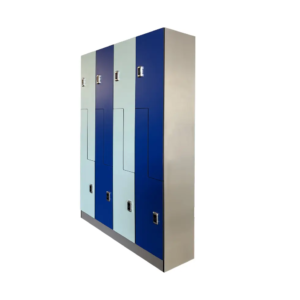
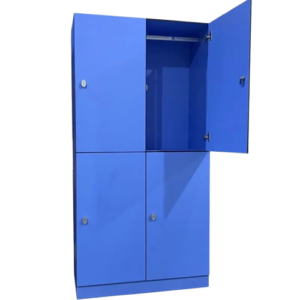
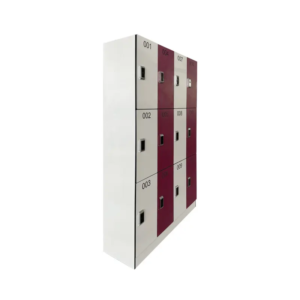
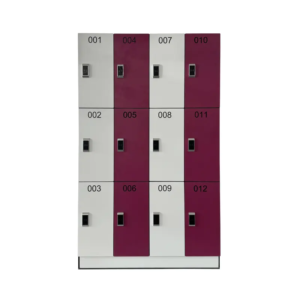
RFID Gym Lockers provide secure and durable storage for gyms, stadiums, sports clubs, training centers, and recreation facilities. Made from high-pressure laminate, these HPL lockers are designed to resist moisture, scratches, impact, and heavy daily use while keeping storage areas clean and professional.They are ideal for projects that need high-traffic use, user convenience, secure storage, and a professional changing-room experience. With flexible sizes, tier layouts, colors, ventilation options, and lock systems available, RFID Gym Lockers can be customized to match the users, space, and design requirements of each facility.
Showing all 4 results



The way people access and manage lockers has changed dramatically over the past decade. Traditional padlocks and metal keys are steadily giving way to smarter, more convenient, and far more secure alternatives. RFID gym lockers represent the forefront of this shift, offering fitness facilities a reliable, technology-driven solution that benefits both operators and members alike. Whether the goal is to eliminate lost key headaches, streamline facility management, or simply give members a better experience, RFID locker systems deliver on all fronts.
For decades, the standard locker room setup relied on mechanical key locks or combination-based systems. While functional in their time, these approaches came with well-known limitations including lost keys, forgotten combinations, and high maintenance overhead for facility staff. The introduction of electronic lock technology changed the equation entirely.
Today, a smart locker system replaces physical keys and mechanical combinations with digital credentials, wireless communication, and centralized management software. The transition has been driven by both the availability of affordable RFID technology and the growing expectation among gym members for seamless, modern facility experiences.
The demand for keyless access solutions has accelerated significantly, particularly as contactless interactions became a practical priority for public spaces worldwide. Gym operators began recognizing that keyless locker access was not just a convenience upgrade but a genuine competitive differentiator that helped attract and retain members who value a frictionless facility experience.
RFID lockers answer this demand directly. A member simply taps their card, wristband, or key fob against the reader and gains instant locker access without touching a shared keypad or fumbling with a physical key. The process is fast, hygienic, and intuitive for users of all ages and technical backgrounds.
Modern gym members expect the same level of digital convenience in their fitness facility that they experience in hotels, airports, and corporate offices. Smart locking technology enables gyms to meet and exceed these expectations by delivering a locker experience that feels effortless and contemporary.
Beyond the basic tap-to-unlock function, RFID systems open the door to a range of enhanced features including mobile app control, automated locker allocation, real-time usage monitoring, and integration with existing gym management platforms. Each of these capabilities contributes to a better overall experience for both members and facility operators.
At the heart of every RFID locker system is the identification device carried by the user. The most common options are the RFID card, the wristband, and the key fob. Each device contains a small embedded chip that transmits a unique identification signal at a specific radio frequency when brought close to a compatible reader.
The RFID card is the most widely used format and is often integrated directly into a gym membership card, allowing members to use a single card for both entry to the facility and locker access. The wristband is popular in spa and aquatic environments where members are unlikely to be carrying a wallet or bag, while the fob suits members who prefer to attach their access credential to existing keyring items.
When a member presents their RFID card, wristband, or fob to the locker reader, the system reads the embedded identification data and checks it against the authorized credentials stored in the management software. If the credential matches an authorized user assigned to that locker, the electronic lock releases and the locker opens within a fraction of a second.
This user authentication process is the core security mechanism of the RFID system. Unlike a shared PIN or combination code that anyone could learn, each RFID credential is unique to the individual user and cannot be easily duplicated or shared. The system can be configured to restrict each credential to a single assigned locker or to allow flexible access across multiple lockers depending on the facility’s operational mode.
One of the most valuable aspects of RFID locker systems is their ability to integrate with existing gym management software platforms. When the locker system communicates directly with the facility’s membership database, locker assignments can be automatically linked to active memberships, guest passes, and short-term day-use access rights.
This integration eliminates the need for separate locker administration processes and ensures that locker access is automatically enabled or revoked in line with membership status. A member whose membership lapses, for example, will automatically lose locker access without any manual intervention from staff.
RFID systems provide facility administrators with real-time visibility into locker usage patterns across the entire locker room. Management software dashboards display which lockers are currently occupied, which are available, how long each locker has been in use, and whether any units have been accessed outside of normal parameters.
This level of operational insight was simply not possible with traditional mechanical lock systems. Facility managers can use this data to optimize locker allocation, identify underutilized areas of the locker room, and respond quickly to any security or maintenance issues that arise.
The RFID lock is the primary hardware component of the system and is typically installed directly onto the locker door in place of a conventional mechanical lock. Modern electronic lock designs are compact, vandal-resistant, and engineered for millions of operating cycles, ensuring long-term reliability in high-traffic gym environments.
Most RFID locker locks support multiple access modes, allowing facilities to configure the lock to operate via RFID card only, via PIN code entry, or via a combination of both methods for enhanced security. Some advanced models also support Bluetooth connectivity and mobile app unlocking, giving facilities the flexibility to adapt their locker access system as their technology needs evolve.
The management software platform is the operational brain of an RFID locker system. It connects all individual locks across the locker room into a single managed network, enabling administrators to monitor usage, assign lockers, configure access rules, generate usage reports, and respond to alerts from a single interface.
Good locker management software is intuitive enough for front-desk staff to use on a daily basis while offering the deeper configuration and reporting tools that IT and operations managers need. Cloud-based platforms extend this capability further, allowing remote access to the system from any authorized device.
The range of user identification devices supported by a modern RFID locker system goes beyond cards and wristbands. Advanced systems also support mobile credentials delivered through a dedicated app, allowing members to unlock their locker directly from their smartphone. This eliminates the need for any physical card or fob and is particularly appealing in facilities catering to tech-forward, younger demographics.
In multi-use facilities such as hotels and wellness centers, the same RFID credential used for room access can often be configured to work with locker locks, creating a unified access experience across the entire property.
RFID locker locks are typically battery-powered, which simplifies installation by eliminating the need to run electrical cabling to each individual locker door. Modern battery-powered RFID locks offer extended battery life of one to three years under normal usage conditions, and management software systems are configured to alert administrators when a battery level drops below a defined threshold, ensuring that locks are serviced before they fail.
For facilities that prefer hardwired power solutions, wired electronic lock options are also available. These eliminate battery replacement requirements entirely and are commonly specified in large-scale installations where maintenance efficiency is a priority.
Lost keys are one of the most persistent and costly problems associated with traditional locker systems. Every lost key requires a lock replacement or re-keying, generates staff time in managing the process, and creates a period of uncertainty regarding whether the lost key could be used by an unauthorized person to access the locker.
RFID systems eliminate this problem entirely. Because access is credential-based rather than key-based, a lost card or fob can simply be deactivated in the management software and a replacement credential issued, all without touching the lock hardware. The locker itself remains fully secure throughout the process.
Traditional shared-use locker systems with combination codes or master key arrangements offer limited individual security. Anyone who knows the combination or has access to the master key can open any locker in the room. RFID systems replace this with genuine user-specific security, where each locker is bound to the individual credential of the member it has been assigned to.
This means that even if a member shares their RFID card with another person, the system records the access event against the original credential holder’s account, creating a clear and auditable record. Facilities can enforce strict no-sharing policies backed by actual data.
The advanced security provided by RFID locker systems goes beyond simple access control. Real-time monitoring enables administrators to detect unusual access patterns, such as repeated failed unlock attempts or access at unusual hours, and respond before a security incident develops.
Encryption of the communication between RFID credentials and lock readers ensures that the signal cannot be intercepted and replicated by unauthorized devices. This protection against credential cloning is a critical security feature that distinguishes quality RFID locker locks from lower-grade alternatives and provides genuine protection against theft.
Every locker access event in an RFID system is logged automatically, creating a detailed audit trail that facility security teams and administrators can review at any time. This record includes the credential used, the locker accessed, the time and duration of access, and whether the access was authorized or represented a failed attempt.
Audit trail data is invaluable in the event of a theft or security complaint, providing clear evidence of who accessed which locker and when. It also serves as a deterrent, as users are aware that their locker access activity is being logged.
The operational overhead associated with managing a large mechanical key-based locker system is considerable. Staff time spent tracking keys, responding to lockout calls, replacing lost keys, and re-keying locks after security incidents adds up to a meaningful ongoing cost for busy fitness centers. RFID systems dramatically reduce this overhead by eliminating the physical key entirely.
Lock maintenance requirements are also lower with quality RFID locker locks. With no moving key cylinder to wear out and no physical key to bend or break, the primary maintenance tasks are limited to battery replacement and occasional software updates, both of which can be managed remotely through the management software platform.
In facilities that operate a shared-use or public mode locker system rather than assigned lockers, RFID technology enables fully automated locker allocation. When a member arrives, the system can automatically assign them an available locker, program their credential to unlock that specific unit for the duration of their visit, and release the locker back into the available pool when they check out.
This automated allocation removes the need for staff involvement in locker management entirely, freeing up front-desk resources for higher-value member interactions and reducing the potential for human error in the allocation process.
The integration of RFID locker data with wider facility management systems creates opportunities to improve workflows across multiple departments. Cleaning schedules can be optimized based on real-time locker occupancy data, maintenance teams can be alerted automatically when a battery needs replacement, and front-desk staff can quickly check locker availability and resolve member access issues without needing to physically inspect the locker room.
This level of operational integration is one of the most compelling reasons why gym operators who upgrade to RFID locker systems consistently report improvements in staff efficiency and overall facility management quality.
For gym operators managing multiple locations, RFID locker systems offer scalability that mechanical alternatives cannot match. A cloud-based management software platform can connect locker rooms across multiple sites into a single managed network, enabling centralized oversight, consistent policy application, and unified reporting across the entire portfolio.
Members of multi-location gym networks can also benefit from universal credential recognition, where a single RFID membership card grants locker access at any participating facility, greatly enhancing the value of their membership and the overall convenience of the gym network.
The simplicity of the RFID locker access experience is one of its greatest strengths. A member walks to their assigned locker, holds their card or wristband near the reader, and the lock releases instantly. There is no PIN to remember, no combination to dial, and no key to locate in the bottom of a gym bag. The tap-to-unlock interaction takes less than a second and requires no learning curve, making it accessible and enjoyable for members of all ages.
Eliminating the need for physical keys and padlocks removes a significant source of friction and inconvenience from the gym-going experience. Members no longer need to worry about remembering to bring a padlock, paying a deposit for a key, or dealing with a jammed or sticky lock mechanism. The locker simply works, every time, with the credential they already carry.
This improvement in day-to-day convenience may seem minor in isolation, but its cumulative effect on member satisfaction and retention is meaningful. A gym that makes even the smallest parts of the member journey easier earns goodwill that translates directly into loyalty.
When an RFID locker system is integrated with the gym’s membership platform, the locker experience becomes a natural and seamless extension of the overall membership. A new member’s locker access is activated automatically when they join. A guest pass holder gains temporary locker access rights tied to their visit duration. An expired membership triggers automatic credential deactivation without any manual process.
This seamless connectivity removes administrative gaps and ensures that every member, guest, and visitor always has exactly the locker access rights they are entitled to, no more and no less.
In busy fitness centers and sports complexes where hundreds of members may be using the locker room within a short window, the speed and reliability of RFID locker access becomes particularly valuable. Fast, reliable tap-to-unlock functionality prevents queues forming at locker areas, reduces frustration during peak periods, and contributes to a smooth, efficient member flow through the changing facilities.
Large commercial gyms and fitness center operators represent the primary market for RFID locker systems. The combination of high daily traffic, diverse membership demographics, and the need for efficient, low-overhead locker management makes RFID the ideal locking technology for these environments. Fitness center lockers equipped with RFID access deliver both the security and operational efficiency that large-scale gym operations require.
Boutique fitness studios and HIIT facilities cater to members who expect a premium experience in every aspect of their visit. RFID locker access aligns perfectly with this expectation, delivering a technology-forward, effortless locker experience that reflects the overall quality of the facility. For smaller studios with limited staff, the low-maintenance nature of RFID systems is an additional practical benefit.
Elite sports training facilities and multi-sport complexes have specialized requirements that RFID locker systems are well-positioned to meet. Different user groups including athletes, coaches, support staff, and visitors may need access to different locker room zones, and RFID systems can be configured to enforce these distinctions at the lock level, ensuring that each group can only access the areas and lockers assigned to them.
The spa and wellness sector places particular emphasis on creating a relaxing, stress-free experience for guests. In this context, the convenience of a wristband-based RFID locker system is especially well-suited. Guests can receive a wristband at check-in that unlocks their assigned locker and enables other facility access points throughout their visit, creating a truly unified and effortless guest experience.
In spa environments, the locker storage area is often the first point of contact for guests transitioning from arrival to treatment, making the quality of the locker access experience an important contributor to the overall guest impression of the facility.
Corporate fitness facilities serving employees in office buildings and corporate campuses benefit from RFID locker systems that can be integrated with existing building access control infrastructure. In many corporate environments, the same ID badge that grants building entry can be configured to enable locker access as well, eliminating the need for employees to carry a separate locker credential and simplifying the overall access management framework.
One of the most common requirements in custom RFID locker projects is integration with an existing access control infrastructure. Hotels, corporate campuses, and multi-use leisure facilities often have established card systems for door access, and they need their locker locks to operate on the same platform without requiring members or guests to carry multiple credentials.
Quality RFID locker manufacturers offer systems that can be configured to work with a wide range of standard card technologies and frequency protocols, enabling smooth integration with most existing access control environments. This integration capability significantly reduces the deployment complexity and cost for facilities that already have an established credential infrastructure in place.
Custom locker projects frequently require non-standard dimensions, unusual tier configurations, or specific internal fitting arrangements that standard product ranges cannot accommodate. OEM manufacturing capability allows these requirements to be met precisely, with locker bodies, doors, and frames manufactured to the exact specifications of the project.
Custom RFID integration is completed at the manufacturing stage, ensuring that the electronic lock components are fitted and tested as part of the production process rather than retrofitted on-site. This approach delivers a higher quality finished product and simplifies on-site installation.
For gym chains, hotel groups, and corporate wellness operators who want their locker systems to reflect their brand identity, white-label RFID locker solutions provide the answer. Custom color matching, branded lock face plates, and co-branded management software interfaces all contribute to a locker experience that feels like a genuine part of the operator’s brand environment rather than a generic third-party product.
Large-scale locker projects, including the fit-out of new gym chains, hotel renovations, and major sports facilities, require suppliers capable of delivering consistent quality across hundreds or thousands of locker units. Manufacturers with bulk deployment experience understand the logistical, quality control, and installation coordination requirements of these projects and are equipped to manage them effectively from initial order through to final commissioning.
Cloud-based management software platforms represent the most advanced approach to RFID locker system administration. By hosting the management platform in the cloud rather than on local hardware, facilities benefit from automatic software updates, remote access from any device, and built-in data redundancy that protects against local hardware failures.
Cloud platforms also enable the kind of multi-site management and centralized reporting that large gym operators and hotel groups need to manage locker systems efficiently across their entire portfolio.
The growing importance of the mobile app in the overall gym member experience extends naturally to locker access. Mobile app integration allows members to unlock their locker directly from their smartphone using Bluetooth or near-field communication, eliminating the need for a physical card or wristband entirely.
App-based locker access also enables additional functionality such as remote locker reservation, push notifications for locker expiry reminders, and in-app support for locker-related queries. These features enhance the overall member experience and provide gym operators with additional engagement touchpoints through their mobile platform.
The integration of RFID locker systems within a broader Internet of Things ecosystem enables capabilities that go well beyond basic access control. IoT-enabled lockers can communicate their status, battery levels, usage data, and fault conditions to a central platform in real time, enabling predictive maintenance, automated alerts, and data-driven facility management decisions.
As gym facilities increasingly adopt smart building technologies, having a locker system that integrates naturally into this ecosystem becomes an important consideration for forward-thinking operators.
The usage data generated by an RFID locker network is a valuable asset for facility planners and managers. Analytics tools within the management software can identify peak usage times, highlight lockers that are consistently underutilized, flag units with above-average access frequencies, and generate reports that support decisions about locker room layout, capacity, and configuration changes.
This data-driven approach to locker room management enables facilities to continuously improve the efficiency and quality of their locker offering in response to actual member behavior.
Facility size and daily traffic volume are the primary factors in determining the appropriate scale and specification of an RFID locker system. A small boutique fitness studio with twenty locker positions has very different requirements from a large commercial gym with several hundred lockers across multiple locker rooms. The system chosen must be capable of handling the peak concurrent access demands of the facility without performance degradation.
Different facilities have different appetites for automation. Some prefer a simple, manually managed locker assignment system where staff assign lockers to members at check-in. Others want a fully automated allocation system where lockers are assigned and released without any staff involvement. Understanding the desired level of automation helps narrow down the appropriate system configuration and management software functionality.
Before selecting an RFID locker system, facilities should conduct a thorough review of their existing access control, membership management, and building automation systems to identify compatibility requirements. The locker system’s ability to integrate cleanly with these existing platforms will significantly affect both the implementation cost and the long-term operational value of the investment.
RFID locker systems represent a range of investment levels from entry-level electronic lock retrofits to fully integrated smart locker networks with cloud management and mobile app functionality. Facilities should assess their current budget alongside their likely future requirements to identify the system that delivers the best value over the intended service life, factoring in both upfront costs and ongoing operational savings.
The flexibility and configuration options available across modern RFID locker platforms mean that facilities can often start with a core system and expand functionality incrementally as their needs and budgets evolve.
The RFID locker systems available through quality specialist manufacturers incorporate the latest advances in electronic lock technology, cloud management software, and mobile integration. These systems are designed to deliver reliable, high-performance locker access in demanding commercial environments, with the security features and management capabilities that modern gym operators need.
Reliability and security are the non-negotiable foundations of any good RFID locker system. Quality manufacturers invest in rigorous product testing, use encryption-grade communication protocols between credentials and locks, and design their systems to continue operating safely even in the event of network interruptions or individual component failures. The result is a locker access system that gym operators and their members can depend on every single day.
The ability to configure an RFID locker system precisely to the requirements of a specific facility, including integration with existing access control platforms, custom credential formats, and tailored management software functionality, is a significant differentiator among system suppliers. Manufacturers with genuine custom integration capabilities deliver better outcomes for complex projects and more satisfied clients in the long run.
For international projects and multi-location deployments, working with a supplier that has established global supply capabilities and proven experience managing large-scale locker projects across diverse markets is essential. From initial consultation and system design through to manufacturing, export logistics, and post-installation support, a globally experienced supplier brings the expertise and resources needed to deliver complex RFID locker projects successfully.
The range of RFID gym lockers available from leading manufacturers covers every scale and specification, from compact electronic lock upgrades for existing locker installations to fully integrated smart locker networks designed from the ground up for new facility builds. Every system in the range is built around the core principles of reliable RFID access, robust physical construction, and intuitive management software.
The most capable RFID locker solutions combine hardware, software, and integration services into a single managed offering that covers every aspect of the locker system from lock to cloud platform. These fully integrated solutions simplify procurement, ensure compatibility across all components, and provide a single point of accountability for system performance and support.
Custom options including locker size variations, finish and color choices, branding elements, and specific lock mode configurations enable every facility to create a locker system that fits their space, their brand, and their operational requirements precisely.
Ultimately, the best RFID gym locker system is one that performs consistently in the demanding conditions of a busy gym environment, protects members’ belongings with genuinely robust security features, and makes every locker interaction fast, easy, and pleasant for the people using it.
For facilities ready to explore what RFID locker technology can do for their locker room, connecting with an experienced RFID locker system specialist is the ideal first step toward a smarter, more secure, and more efficiently managed locker experience.
For better project planning, visitors can also explore related categories such as GYM LOCKERS, Heavy Duty Gym Lockers, Lockers with Bench, Ventilated Gym Lockers, Z Type Gym Lockers, Commercial Locker Room Benches, Employee Changing Room Benches, HPL BENCHES, HPL LOCKERS, HPL TABLE TOP, HPL TOILET CUBICLES, Locker Room Benches, School Locker Room Benches, Sports Facility Benches. These internal links help users compare suitable products, move between connected solutions, and find the right HPL system for their space.